January 30, 2026
Post Peel Hydration Game Plan
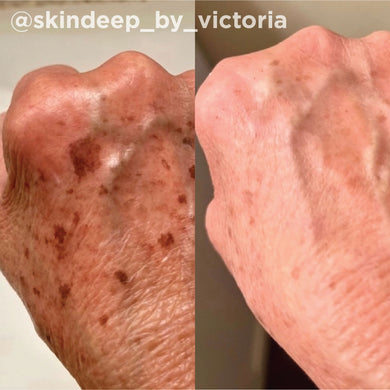
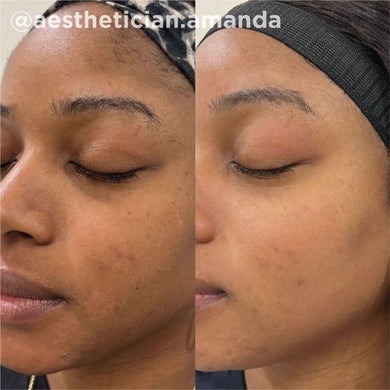
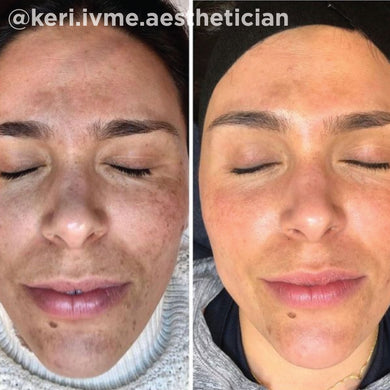
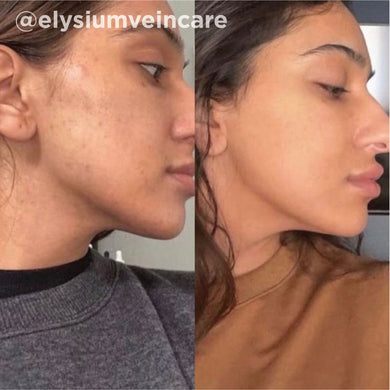
Winter can be a challenging time for maintaining hydrated skin—especially in the days following an aesthetic treatment. Cold air, low humidity, and indoor heating all increase transepidermal water loss, leaving post-peel skin more vulnerable to dryness, sensitivity, and delayed barrier repair.
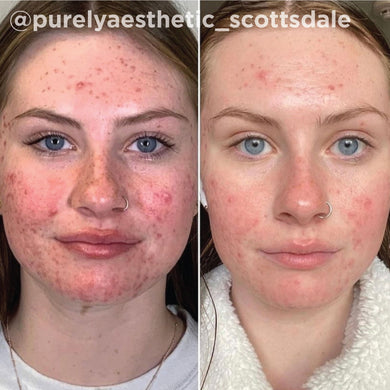
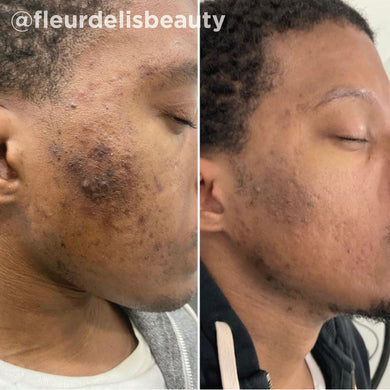
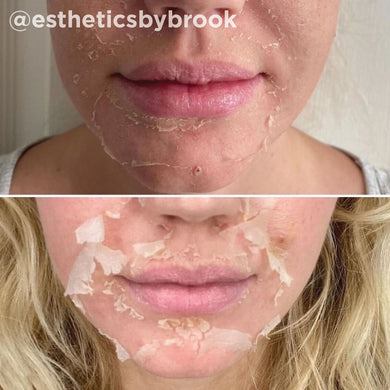
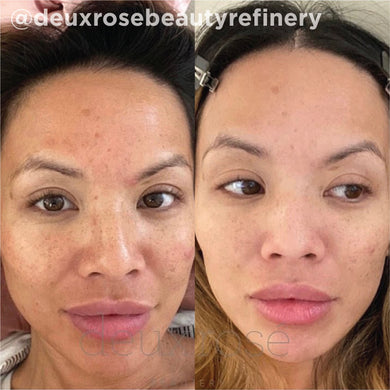
As a provider, setting patients up for optimal healing and results starts with dialing in on their post treatment regimen including proper hydration. Once peeling begins, advise patients to apply a hydrating moisturizer regularly to help minimize dryness, reduce irritation, and camouflage visible peeling.
Why Growth Factor Repair Cream Belongs in Your Post Peel Winter ProtocolFormulated with peptides, ceramides, and barrier-supporting ingredients, VI Derm’s Growth Factor Repair Cream is designed to work synergistically with the VI Peel—particularly when skin is under seasonal stress.
“I personally use it while my skin is peeling, layered over the Post Treatment Repair Cream. It helps lock in moisture and supports the healing process.” — Marya Khalil-Otto, CEO, Vitality Institute
Alternatives Are Okay—Hydration Is Key
While Growth Factor Repair Cream is recommended, the priority is helping patients maintain moisture levels and comfort while at home.
If your patient already uses a dermatologist-recommended hydrator that’s fragrance-free and formulated for sensitive skin, it can be integrated into their post peel 7-day regimen as needed.
Best Practices for At-Home Winter Recovery• Apply moisturizer once peeling begins, 1–2x daily, to support hydration and barrier function, and help conceal visible peeling
• Layer over Post Treatment Repair Cream during peeling for enhanced moisture retention
Clinical Takeaway: Winter conditions can slow post-peel recovery. Integrating Growth Factor Repair Cream into your seasonal post-care protocols can help maintain barrier integrity and improve patient satisfaction. (edited)
As a provider, setting patients up for optimal healing and results starts with dialing in on their post treatment regimen including proper hydration. Once peeling begins, advise patients to apply a hydrating moisturizer regularly to help minimize dryness, reduce irritation, and camouflage visible peeling.
Why Growth Factor Repair Cream Belongs in Your Post Peel Winter ProtocolFormulated with peptides, ceramides, and barrier-supporting ingredients, VI Derm’s Growth Factor Repair Cream is designed to work synergistically with the VI Peel—particularly when skin is under seasonal stress.
“I personally use it while my skin is peeling, layered over the Post Treatment Repair Cream. It helps lock in moisture and supports the healing process.” — Marya Khalil-Otto, CEO, Vitality Institute
Alternatives Are Okay—Hydration Is Key
While Growth Factor Repair Cream is recommended, the priority is helping patients maintain moisture levels and comfort while at home.
If your patient already uses a dermatologist-recommended hydrator that’s fragrance-free and formulated for sensitive skin, it can be integrated into their post peel 7-day regimen as needed.
Best Practices for At-Home Winter Recovery• Apply moisturizer once peeling begins, 1–2x daily, to support hydration and barrier function, and help conceal visible peeling
• Layer over Post Treatment Repair Cream during peeling for enhanced moisture retention
Clinical Takeaway: Winter conditions can slow post-peel recovery. Integrating Growth Factor Repair Cream into your seasonal post-care protocols can help maintain barrier integrity and improve patient satisfaction. (edited)